

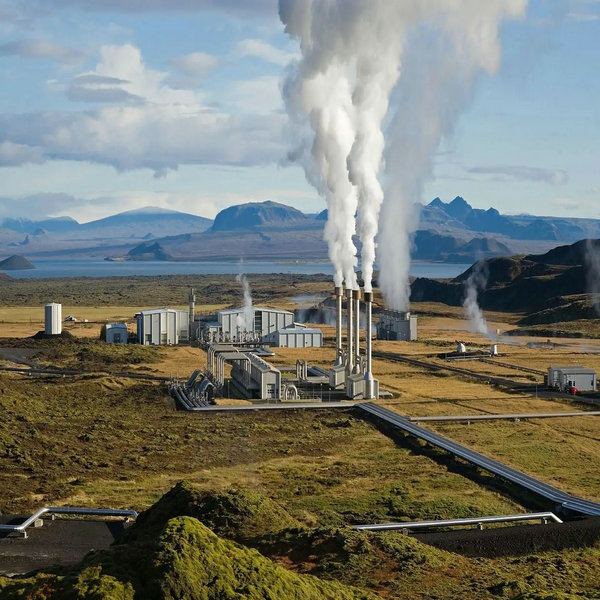
temperature, high pressure, high concentration of chloride ions ($Cl ^ - $), hydrogen sulfide ($H _ 2S $) and carbon dioxide ($CO _ 2 $) in geothermal energy development, The choice of material numbers for different materials needs to be precisely matched according to specific temperature ranges and corrosion media concentrations.
Here is a summary of the most commonly used special alloy core numbers in the geothermal field:
I. Nickel-based alloys (nickel-based aluminum)
Mainly used in the worst environment, the highest temperature (200 ° C ~ 300 ° C +), high sulfur and high chlorine deep well downhole tools and core components of heat exchanger.
● Inconel 625(UNS N06625 / 2.4856):
* Features: Excellent resistance to pitting and crevice corrosion, almost immune to chlorinated stress corrosion cracking (SCC).
Applications: geothermal borehole footwear, heat exchanger fittings, valve inner parts.
● Hastroy C-276 (UNS N10276 / 2.4819):
*Features: Containing high molybdenum and tungsten, it is one of the strongest alloys with local corrosion resistance and strong reducing acid, which is very suitable for dealing with acidic geothermal environment with high concentration of H _ 2S $.
* Applications: Pump shafts, rotors and key sealing surfaces that are in contact with extremely high salinity geothermal fluids such as brine.
● Incoloy 825 (UNN No. 08825 / 2.4858):
* Features: Better economy than 625, excellent performance in geothermal fluids of moderate temperature and corrosive strength, resistant to CO _ 2 and H _ 2S.
Applications: Geothermal well fittings, pipeline lining.
II. Titanium Alloys
Mainly utilizing its ultra-high ratio strength (lightweighting) and perfect passivation membrane corrosion resistance in high chlorine salt environments, it is especially suitable for geothermal well blind water and high temperature brine environments.
Grade II (industrial pure titanium / UNS R50400):
Features: Excellent overall corrosion resistance, extremely stable in geothermal blind water containing high concentrations of chloride ions, but moderate strength.
Applications: Ground low pressure pipelines, plate heat exchanger sheets.
Level 5 (Ti-6Al-4V / UNS R56400):
Features: Extremely high mechanical strength and fatigue resistance, while maintaining the corrosion resistance of titanium alloy.
Applications: High-strength drill rods for deep geothermal wells, underground tool casings.
Grade 7 / Grade 29 (Palladium / germanium modified titanium alloy):
Features: The addition of trace precious metals (Pd / Ru) greatly enhances the crevice corrosion resistance in high temperature, low pH (acidic) geothermal fluids.
Application: High-temperature geothermal pump valves and flanges with cracks.
III. High-Alloy Stainless Steels
In areas where corrosion conditions are moderate and cost sensitive, it is used to replace traditional stainless steel (such as 316 L).
● Super austenitic stainless steel: 254 SMO (UNS S31254 / 1.4547)
* Features: High molybdenum (~ 6%) and high nitrogen design, pitting corrosion resistance index (PREN) greater than 42, pitting corrosion resistance in high temperature and high chlorine geothermal water is far more than 316L.
Applications: Condensers for geothermal power plants, transmission lines.
● Super duplex stainless steel: SAF 2507 (UNS S32750 / 1.4410)
* Features: both austenite and ferrite dual advantages, high strength and resistance to stress corrosion cracking (SCC) performance is very strong.
Applications: Geothermal wellhead devices (oil harvest trees), high-temperature geothermal pump shells.
Shenzhen Zhengjie Metal Material Co., Ltd.
Contact person: Mr. Huang (13480167607)
Sales Hotline: 0755-81718772
Q Q: 2263040115 305084123
Website: www.szzj168.com
Email: 2263040115@qq.com
Address: No. 8, Songzi Park, Minzhi, Longhua New District,Shenzhen